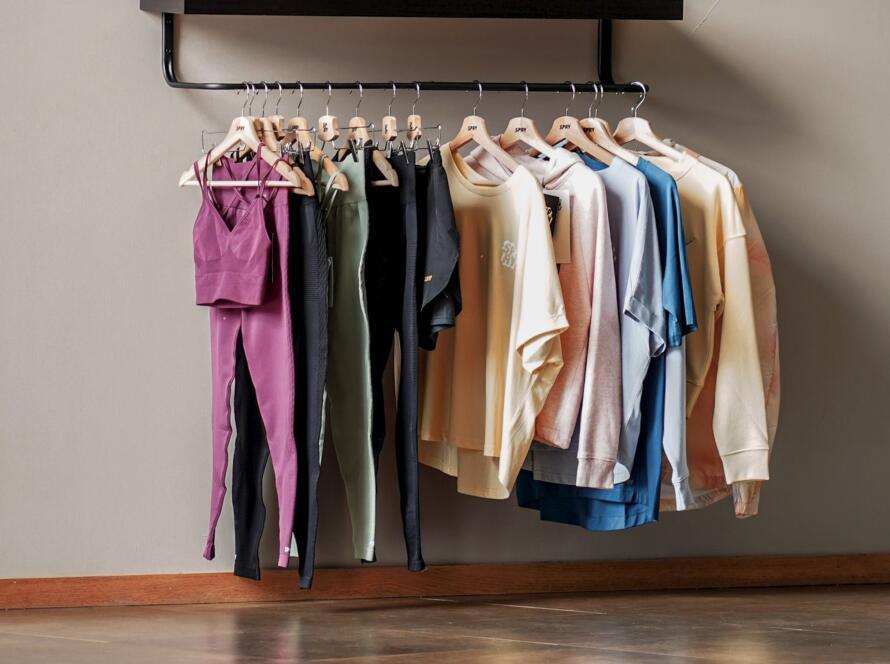
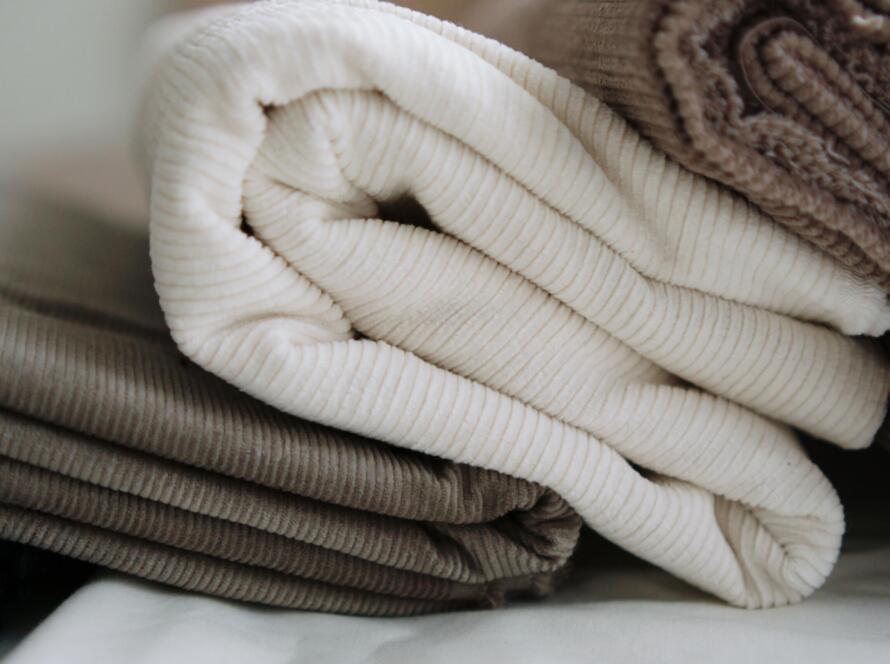
Rib and single jersey, the two basic weft-knit structures most frequently encountered in ready-to-wear manufacturing, differ entirely from one another in their production techniques and stretch capabilities. Single jersey fabric, produced on single-bed machines, is the main body material for summer t-shirts, basic tops and underwear collections in particular, thanks to its light, thin and breathable structure. Rib fabric, knitted on double-bed machines, is used in structural, stretch-requiring garment details such as collars, cuffs and hem bands, or in slim-fit ready-to-wear items that hug the body closely, thanks to its high widthwise stretch, recovery and elastic memory. To prevent pattern waste during manufacturing and to carry the correct design onto the hanger with the correct drape, it is critical to understand this fundamental functional difference between the light, balanced structure of single jersey and the stretchy, substantial character of rib fabric.
In the textile industry, and especially in knitwear collections that shape ready-to-wear fashion, raw material selection directly determines a product's shelf life and consumer satisfaction. When planning a new range, designers and sourcing professionals often have to make strategic choices between two basic knit fabric structures: single jersey and rib. Although both fabrics can be produced from similar fibers such as cotton, viscose or polyester, the knitting geometry on the needle beds gives them entirely different physical characters and areas of use.
In this technical comparison guide, prepared by Yurda Örme, the leading name in wholesale fabric supply and high-standard fabric production processes in Istanbul, we examine in full detail the structural differences between single jersey and rib fabrics, their performance criteria, and which one should be preferred for which product group.
What Is Single Jersey Fabric and What Is It Used For?
By technical definition, single jersey is the most basic type of knit fabric, produced on circular knitting machines using a single needle bed. Since the stitches are always formed in the same direction during production, the face of the fabric shows flat, smooth "V"-shaped stitch loops, while the back is dominated by a purl structure of horizontal waves.
Key Properties of Single Jersey Fabric:
Lightness and Thinness: Thanks to its single-layer knit structure, its weight per square meter (GSM) is generally low. This gives the fabric a natural lightness.
High Air Permeability: Its porous structure lets the skin breathe, facilitates moisture management and minimizes perspiration.
Draped Silhouette: Thanks to its thin structure, it drapes softly over body lines and does not present a stiff, rigid look
What Are the Areas of Use for Single Jersey Fabric?
Single jersey is the undisputed leader in areas where lightness, stretch, and the softness required for direct skin contact are the priority:
Basic T-Shirts and Blouses: Single jersey is used in more than 90% of summer basic t-shirt collections across women's, men's and children's ready-to-wear.
Underwear and Homewear: It is the first choice for boxers, undershirts, pajama sets and light robe designs, as it lets the skin breathe.
Summer Dresses and Children's Rompers Thanks to its stretchy, thin structure, it is frequently preferred in the production of comfortable garments that do not restrict children's freedom of movement.
What Is Rib Fabric and What Is It Used For?
Rib is a double-faced knit fabric produced on knitting machines with a double needle bed (double cylinder), where the cylinder and dial needles are arranged alternately. Its most distinctive visual feature is the presence of pronounced vertical lines (wales/ribs) running lengthwise on both the face and the back of the fabric. Because it is knitted with a combination of one knit and one purl stitch (as in 1×1 or 2×2 rib), it has an accordion-like stretch geometry.
Key Properties of Rib Fabric:
Exceptional Widthwise Stretch: Even without lycra (elastane) fibers in its content, it has a very high widthwise stretch and recovery (elastic memory) capability due to the way the stitches are knitted.
Substantial, Double-Faced Structure: Compared to single jersey, it is much thicker, heavier and has a more substantial body. Both faces of the fabric have the same smooth appearance.
No Edge Curling: While single jersey fabrics tend to roll up at the edges after cutting, rib fabric stays flat thanks to its balanced double-layer knit, providing great ease in garment cutting.
What Are the Areas of Use for Rib Fabric?
Rib fabric works wonders in two different roles: both as a recovery-oriented main body fabric and as a technical element in the stretch finishing details of garments:
Collars, Cuffs and Hem Bands: Using rib in t-shirt collars, sleeve cuffs of sweatshirt and hoodie designs, and hem bands is an industry standard, so that these areas can stretch and then recover.
Slim-Fit (Body-Hugging) Garments: Slim-fit dresses, corset-effect tank tops, turtleneck sweaters and undershirts in women's ready-to-wear collections benefit from rib's recovery power.
Baby Garment Details: It is frequently used in stretch collar openings of baby bodysuits, which must slip easily over a baby's head, and in the waistbands of footed pants.
Technical Differences Between Rib and Single Jersey
To budget correctly on the production line and to proceed without errors in your wholesale fabric orders, we can summarize the technical differences between these two fabrics as follows:
| Teknik Parametre | Properties of Single Jersey | Rib Fabric |
| Machine Type: | Single bed (single needle bed) | Double bed (double needle bed) |
| Surface Appearance: | Face flat (V), back purl (wavy) | Both faces vertically ribbed/wale-lined |
| Elasticity | Limited natural stretch (elastane reinforcement usually required) | Very high natural widthwise stretch, even without elastane |
| Fabric Weight (GSM): | Generally light and thin (120–180 g/m²) | Generally medium to heavy (180–280 g/m²) |
| Cutting/Sewing Behavior: | Edges curl, requires careful cutting | Edges do not curl, stable to cut and sew |
Quality Consistency in Manufacturing: Choosing the Right Material with Yurda Örme
No matter how creative your collection's concept is, using a rib fabric of the wrong weight instead of single jersey in a t-shirt design, or choosing single jersey instead of rib for a sweatshirt cuff, will ruin the garment's entire pattern and its perceived value to the consumer. Balancing the fabric's shrink-resistance (sanforizing) values, preventing side seams from twisting after washing, and avoiding color variation between lots all depend on the quality of the fabric's processing at the mill.
Yurda Örme olarak, Esenyurt’taki Endüstri 4.0 standartlarına sahip tesislerimizde gerçekleştirdiğimiz hassas kumaş üretimi süreçlerinde, hem süprem hem de ribana hatlarımızı uluslararası akredite laboratuvar testleriyle denetliyoruz. Tüm üretimlerimizi OEKO-TEX® Standard 100 sertifikası ile taçlandırarak insan sağlığına ve çevreye duyarlı temiz tekstil çözümleri sunuyoruz.
Markanızın yeni sezon kalıplarına en uygun gramaj, en ve renk seçeneklerindeki örme kumaş kartelalarımızı incelemek ve toptan siparişleriniz için bizimle iletişime geçebilirsiniz. Doğru tasarıma doğru dokunuşu katmak için Yurda Örme her ilmekte yanınızda.
Frequently Asked Questions
Due to its structure, single jersey fabric does not have very high widthwise stretch or shape recovery, and its cut edges tend to curl. The t-shirt neckline is the area that stretches and is pulled the most when putting the garment on or taking it off, which is why rib fabric is used there instead.
Süprem kumaş yapısı gereği enine çok yüksek bir esneme ve eski formuna dönme kabiliyetine sahip değildir; ayrıca kesilen kenarları kıvrılma yapar. Tişört yakası, giyip çıkarma esnasında en çok gerilen ve esneyen bölgedir. Eğer yakada süprem kullanılırsa yaka kısa sürede genişler, sarkar ve formunu kaybeder (“marullanma” yapar). Ribana ise yüksek elastik hafızası sayesinde esnedikten sonra orijinal formuna geri döner ve yakayı sıkıca toparlar.
2) What is the difference between 100% cotton and elastane-blended single jersey?
Lycra (elastane) reduces the shrinkage of single jersey fabric after washing, increases its wrinkle resistance, and allows it to be used in body-hugging, slim-fit t-shirts and legging-like stretch products.
3) How should GSM be chosen when purchasing wholesale rib fabric?
If rib fabric is to be used as a complementary trim on the collar of a lightweight summer t-shirt, thinner, lower-GSM rib fabrics (180-200 g/m²) should be chosen so the t-shirt body does not appear baggy.